
Cloud communication has become a foundational part of how modern businesses operate. By moving voice, video, messaging, and collaboration tools into the cloud, organizations gain the flexibility to support remote work, streamline workflows, and communicate reliably from any location. As companies look for tools that enhance productivity and reduce reliance on hardware, cloud-based systems have become one of the most valuable investments for long-term growth.
Before evaluating providers or shifting your systems, understanding what cloud communication includes (and how it supports your business) is the best place to start.
Quick Takeaways
- Cloud communication uses the internet to support voice, video, messaging, and collaboration from any location.
- Businesses adopt cloud-based systems to reduce hardware costs, increase flexibility, and enable remote work.
- Solutions such as VoIP, UCaaS, and CCaaS offer scalable tools that improve productivity and customer experiences.
- Cloud platforms integrate easily with other business systems and help teams stay connected in real time.
Cloud Communications Defined
Cloud communications refers to communications technology that uses the internet to send and receive data. Whether your team members are offering customer support over the phone, participating in a video conference, or sharing files with one another, everything happens through an internet connection.
The software for your business communications technology is hosted in the cloud. That means your organization doesn’t have to buy and maintain hardware to run applications. There’s also no need for physical phone lines in your office, so you don’t need to pay PSTN (public switched telephone network) calling costs. In fact, with internet calling, small businesses generally save hundreds of dollars every month on calling costs.
Because cloud communications are hosted on off-site servers and managed by your cloud service provider, it’s also easier for you to customize your communications technology stack to revolve around your business’s needs. You can adopt additional cloud-based software, integrate your communications technology with other business apps, like CRMs, and add or remove users easily.
Why Are Businesses Shifting to the Cloud?
The cloud offers advantages that are helping businesses across industries be more flexible and efficient. With the cloud, businesses can:
- Lower IT and phone costs
- Optimize productivity
- Reduce security risks
- Enable employees to work remotely
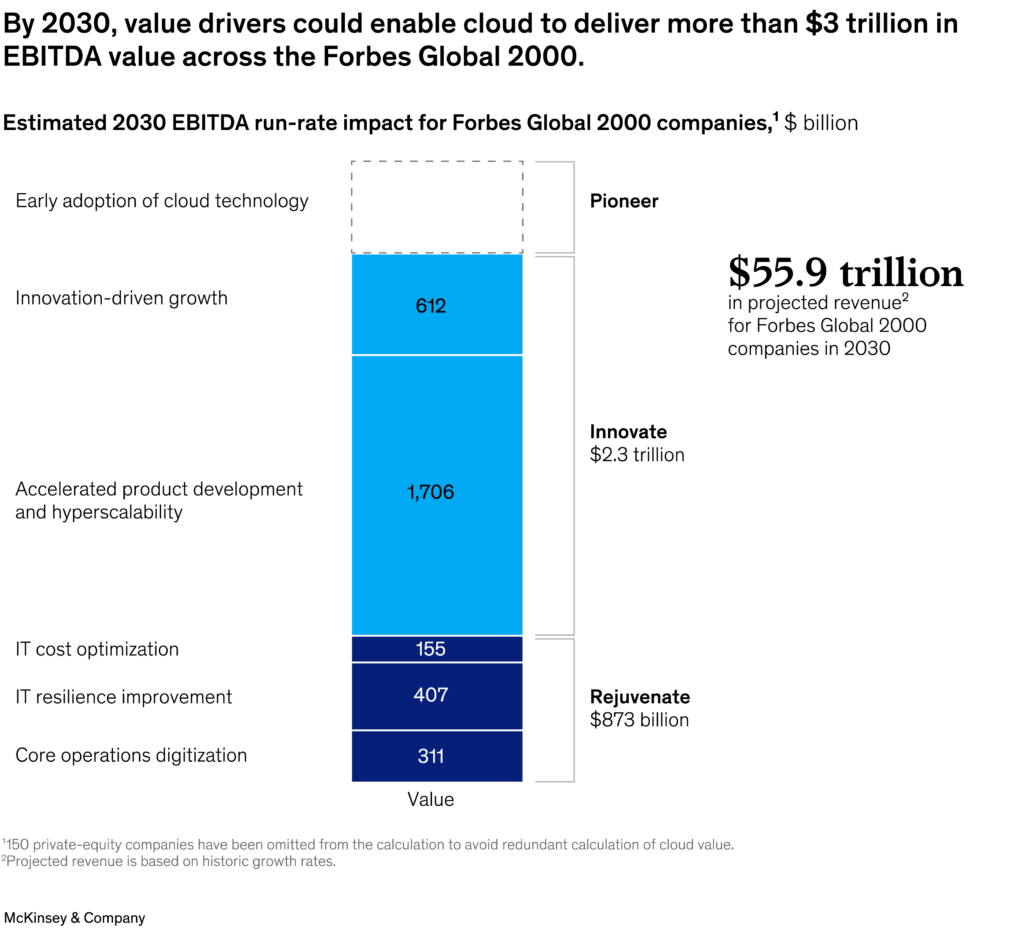
According to McKinsey, cloud adoption could generate as much as $3 trillion in global value by 2030, driven by improved scalability, broader access to enterprise-level technology, and the ability to innovate more rapidly. While cost reduction remains a key motivator, McKinsey notes that the greatest gains come from the efficiencies and innovation opportunities that cloud platforms unlock: value that far exceeds what organizations achieve through IT savings alone.
Because software is hosted in the cloud, businesses of all sizes can deploy advanced tools quickly, scale their capabilities as they grow, and adapt faster to changing operational needs. This flexibility strengthens day-to-day performance and positions companies to stay competitive as communication expectations evolve.
7 Cloud Communications Solutions for Small Businesses
You can use cloud technology for voice calls, video conferencing, instant messaging, file and document sharing, and contact center communications.
If your business simply wants a cloud-based phone solution, you can use VoIP. For a comprehensive solution, consider UCaaS and CCaaS. Let’s look at what each of these cloud communications solutions brings to the table.
1. VoIP or Cloud Phones
For cloud phone services, your business can switch to VoIP technology, or voice over internet protocol. With VoIP services, your business only needs an internet connection to make phone calls.
VoIP phone systems are also known as cloud or hosted business phone systems because the software is hosted in the cloud. To use your VoIP solution, your employees simply need to download an app to their device and they can make and receive phone calls whenever they have an internet connection.
2. UCaaS
If your business uses other communications tools, such as video conferencing and chat messaging, you can adopt a cloud-based solution that combines VoIP technology with other types of cloud communication tools. UCaaS, or unified communications as a service, brings together all the important tools you need to facilitate communication and collaboration.
UCaaS comes with voice, video calls, chat, and file sharing. With an all-in-one solution, your users can be more productive, and you can simplify your communications technology stack with a cost-effective, single platform.
3. CCaaS
UCaaS is for internal communications. If your business needs a cloud-based solution that will handle all of your customer support communications, you’ll need a contact center solution too.
CCaaS, or contact center as a service, is a cloud communications solution that comes with all the features and tools your contact center agents need to handle customer calls, including call routing, authentication, voicemail, call recording, and even transcription.
Even better, when you adopt a contact center solution that works with your UCaaS, you can offer a modern customer experience that allows your customers to contact your business through their preferred channels, whether they want to use voice, email, or chat.
You’ll also have access to data and reporting features that let you track the quality of customer interactions, spot trends, and identify ways to improve the customer experience.
4. Cloud File Management and Collaboration Tools
Many cloud communication systems include secure file storage, document sharing, and real-time collaboration features. These tools allow teams to work together on content, organize information, and share resources without relying on email attachments or on-premises file servers. With centrally stored documents accessible from any device, organizations can maintain version control, improve teamwork, and streamline critical workflows across distributed teams.
5. AI-Powered Productivity and Automation Features
Today’s cloud communication platforms increasingly include AI-driven capabilities such as automated meeting summaries, call transcriptions, smart routing, and voice recognition. These tools reduce manual follow-up work, improve call handling, and give teams more time to focus on meaningful tasks.
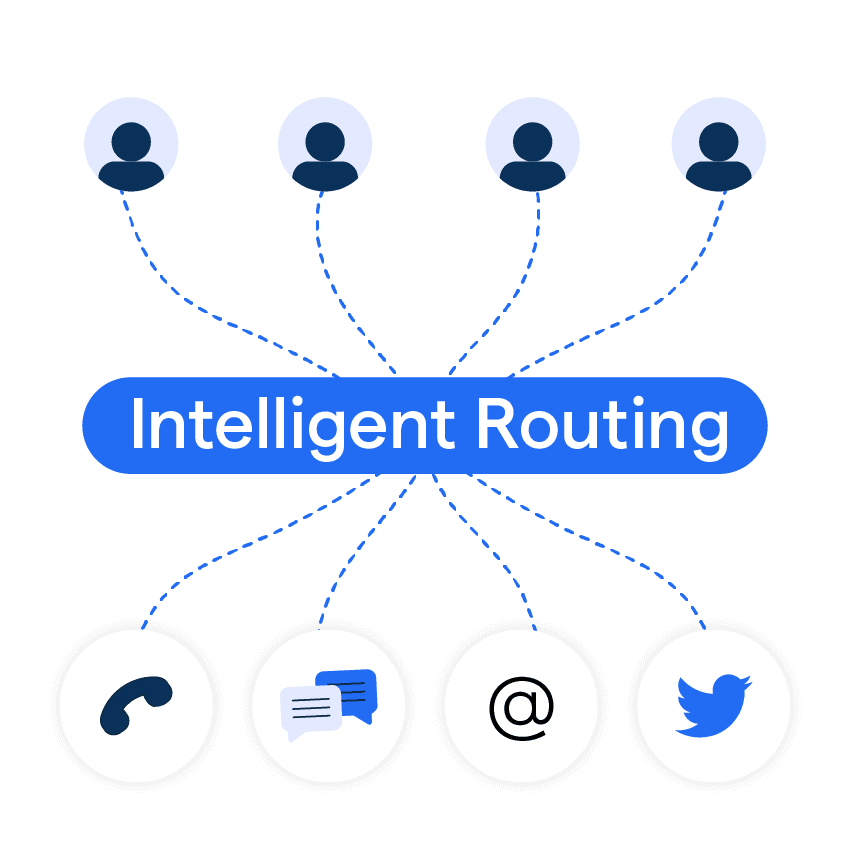
AI support also helps businesses boost customer service efficiency and capture more accurate insights from daily interactions.
6. Integrations for a Unified Technology Ecosystem
A strong cloud communication platform connects easily with the systems your team uses most, whether that’s CRM tools, ticketing systems, project management software, or productivity suites. Integrations eliminate unnecessary switching between apps and ensure information moves smoothly across systems. This unified approach helps teams work more efficiently and maintain full context during internal and customer interactions.
7. Built-In Security and Compliance Support
Cloud communication platforms often include advanced security capabilities such as encryption, authentication controls, and continuous system monitoring. These protections help safeguard sensitive conversations and maintain compliance with industry standards. Because these security features are embedded into the platform, businesses benefit from consistent protection without relying on additional hardware or manual processes.
Q&A
How can Intermedia’s cloud platform improve my company’s existing automations and workflows?
Intermedia’s cloud platform enhances your company’s automations and workflows by offering robust communication features and powerful APIs. These tools enable seamless integration with your existing systems, ensuring streamlined processes and improved operational efficiency. By leveraging these APIs, businesses can customize and expand their communication capabilities to align perfectly with their workflow requirements.
How does Intermedia ensure security and limit platform downtime?
Intermedia prioritizes security and reliability to maintain high platform uptime. Through the use of advanced security protocols, constant monitoring, and redundant infrastructure, Intermedia ensures that your cloud communications remain secure and operational, minimizing any potential disruptions and protecting your data.
What integrations does Intermedia offer?
Intermedia provides a wide range of integrations, including those with Microsoft, Slack, and Salesforce. These CRM integration capabilities allow businesses to unify their communication tools with their preferred platforms, enhancing productivity and simplifying workflow management.
What are the most common use cases for cloud communications systems?
Cloud communications systems are commonly used across various industries for project management and healthcare. These systems support collaboration by providing reliable and flexible communication solutions that can be tailored to fit diverse operational needs, improving both team efficiency and client interactions.
How can using a cloud communications service improve my business’s customer relationships?
A cloud communications service can significantly improve your business’s customer relationships by enhancing customer communications. It allows you to integrate communication channels, increasing visibility across organizations and enabling seamless information flow. This integration helps teams respond more effectively and personalize their interactions with clients, fostering trust and long-term engagement.
Does Intermedia offer SMS or text messaging?
Yes, Intermedia offers SMS and text messaging as part of its communication solutions. This feature enables businesses to reach customers through a preferred and convenient channel, enhancing engagement and expanding communication capabilities.
Support Your Business with Flexible, Cloud-Based Communication
Cloud communication gives organizations the tools they need to stay productive, reduce hardware dependence, and support teams wherever they work. By adopting cloud-based voice, video, messaging, and collaboration tools, your business can improve customer interactions, streamline internal communication, and scale its operations more efficiently.
Ready to modernize how your team connects?
Explore Intermedia’s secure, cloud-based communication tools designed to help businesses collaborate more easily and operate more efficiently. Request a demo today.

Kirsten Barta
Kirsten Barta is Sr Marketing Communications Manager at Intermedia